
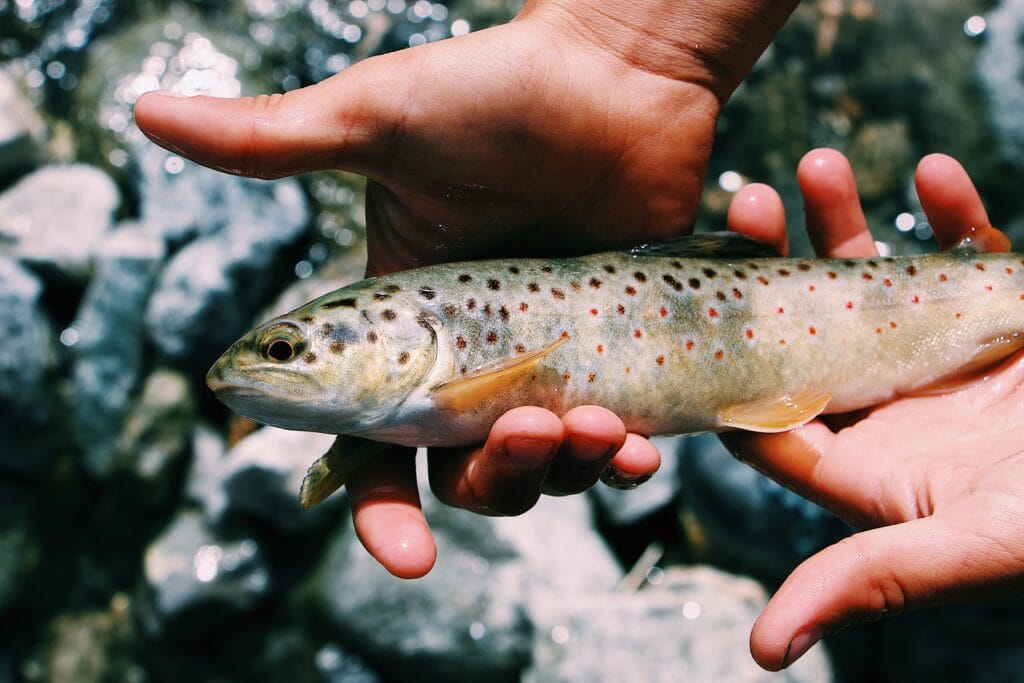
Speckled trout fishing near Aransas Pass can be especially productive from November through February, when cooling water concentrates fish around deeper guts, channels, and drop-offs close to the flats. For anglers targeting speckled trout in Aransas Pass, the colder months change both where to look and how to fish. Slower presentations, moving water, and choosing the right part of the day become more important as fall gives way to winter.
When is speckled trout season in Aransas Pass?
Fall is a strong time for speckled trout around Redfish Bay and Aransas Pass. As water temperatures drop from summer highs, trout spend more time along grass edges, guts, and drop-offs where bait moves between shallow and deeper water. For anglers planning trout fishing on the Texas coast, fall also brings more comfortable conditions and opportunities to fish early mornings and evenings before winter changes the daily pattern.
Cold fronts become one of the biggest variables from November through February. Fishing can be productive ahead of a front while conditions are still stable, while the period immediately behind a strong front may be slower. Once the weather settles, fish begin feeding more predictably again. By midwinter, lower tides and colder water make deeper guts, drains, and channels increasingly important places to concentrate your effort.
Where can you find speckled trout near Aransas Pass?
Start with Redfish Bay, especially the edges where grass flats fall into deeper water. The guts and channels around Lighthouse Lakes Park give trout access to both grass flats and nearby depth. In winter, pockets along Lydia Ann Channel can also hold trout over mud and shell on warmer afternoons.
Shore anglers can fish Harbor Point Park at Conn Brown Harbor, where two lighted T-head piers provide access without a boat. After dark, the lights can attract bait and give trout a reason to move within casting range. For access details, see the guides to launching a boat, wade fishing, and kayak fishing in Redfish Bay.
What lures work best for fall and winter trout?
Soft plastics are one of the most useful choices once cooler water slows the fish down. Shad-style plastics on 1/8- to 1/4-ounce jig heads let you control depth and work the lure slowly along the bottom. Slow the retrieve compared with summer fishing, and give the lure time to stay in the strike zone instead of quickly pulling it through an area holding fish.
Suspending plugs are another good choice when trout will move to intercept a baitfish imitation. Work them with longer pauses as the water cools. Topwaters can still produce during fall, particularly on warmer mornings before the first hard fronts, but they become less dependable as winter settles in. The common thread is pace: cooler water usually calls for a more deliberate presentation rather than covering water as quickly as possible.
Does live bait work for trout in cooler months?
Live shrimp remains one of the most reliable cool-season baits around Aransas Pass. It can be freelined when current is carrying bait, allowing the shrimp to move naturally with little added resistance. Recent TPWD Gulf Coast fishing reports for the nearby Port Aransas area describe trout taking freelined shrimp, while winter reports also note good fishing in drains and guts with live or dead shrimp.
Over grass, a popping cork can keep a live shrimp above the bottom while letting you drift across productive water. Adjust the leader so the bait rides near the depth where fish are feeding, then let the current do much of the work. This gives you a simple way to cover a grass edge or flat while keeping the shrimp visible and off the bottom.
What tides and times of day are best?
Moving water matters more than whether the tide is simply labeled high or low. A falling tide can pull shrimp, baitfish, and other forage off the flats and funnel them through drains and guts, giving trout predictable places to feed. Lower winter tides make those pathways even more important. Check the NOAA Port Aransas tide station before fishing so you can plan around the expected movement.
Time of day changes with the season. During fall, early morning and the final hours before dark can both produce fish while water temperatures remain moderate. In winter, there is usually less reason to rush out at daylight. Late morning through afternoon gives the sun time to warm shallow water, mud, and shell, which can draw bait and feeding trout toward those areas.
What should you know before keeping trout?
Texas Parks and Wildlife currently lists a daily bag limit of three spotted seatrout, with a minimum length of 15 inches and a maximum of 20 inches. TPWD also provides tagged exceptions for trout over 28 inches: one may be retained with a properly completed Spotted Seatrout Tag and one additional fish with a Bonus Spotted Seatrout Tag during the license year. Check the regulations again before fishing in case the rules change.
Recreational anglers fishing Texas saltwater also need the appropriate fishing license with a saltwater endorsement, which can be reviewed through the TPWD fishing license page. During severe freezes, TPWD can temporarily close designated coastal areas to fishing when fish concentrate in protected water. Conn Brown is one of those designated areas, so anglers planning to use the piers there should check TPWD notices during unusually cold weather.
Book Your Stay Today!
Redfish Bay RV Park gives winter anglers a convenient place to stay near Redfish Bay, Lighthouse Lakes, and Conn Brown Harbor. The park has fenced storage for boats and tow trailers, and weekly and monthly stays make it easier to plan around winter weather windows instead of relying on a single fishing day. Check the current rates and reservation information, book through Campspot, or call Redfish Bay RV Park at (361) 226-1389.